
An ERP migration becomes necessary for a business to maintain operational efficiency when its current ERP system is unable to support its expansion, reporting requirements, or increasingly complex business. Migrating to modern ERP systems, such as Oracle Cloud ERP, NetSuite, or Microsoft Dynamics, requires a thorough reconstruction of data structure, verification of business logic, and system dependencies.
ERP systems are involved in nearly every part of the operation. Finance, HR, sales, supply chain, inventory, and production all rely on consistent, synchronized ERP data. As a result, any shift to a new ERP platform carries enterprise-wide implications.
Why Mid-Market Companies Undertake ERP Migrations
Enterprises usually face ERP migration needs in the following scenarios:
- Digital transformation plan: To automate workflows or deploy advanced analytics and AI solutions, companies must rely on clean, unified ERP data. Migrating to a modern ERP becomes a prerequisite for digital transformation.
- M&A integration: When one company acquires another company, it usually needs to integrate its system. System integration is one of the most complex tasks in the integration process, because it requires the coordination of financial and operational data.
- Regulatory requirements: New accounting standards, audit controls or operational compliance requirements often prompt enterprises to adopt ERP systems with stronger reporting capabilities.
In all scenarios, the quality of migration directly affects operational efficiency, customer experience, and the scalability of the enterprise. Many companies in the mid-market underestimate the extent of transformation required to integrate historical data into a modern ERP model.
Four Common Data Challenges in ERP Migrations
Many ERP migration projects are facing the following challenges:
- Insufficient understanding of the source system: Existing ERP systems often contain customized scripts, embedded business rules and outdated table structures. The data table may not be consistent with the original documentation, and the business rules may be directly embedded in the SQL code or application logic. Without a comprehensive analysis of the system and documentation, the project team will omit key dependencies.
- Inaccurate or incomplete data mapping: ERP migration requires converting data into a strict new structure. When the product SKU is inconsistent across systems, the master data of the customer and the supplier have contradictions, or the historical transaction does not meet the new ERP verification rules, the error mapping will lead to reconciliation failure and inaccurate financial data.
- Low data quality and lack of governance: Duplicate customer records, incomplete supplier files, inconsistent units of measurement, or outdated inventory data may all create challenges during an ERP migration. Without a built-in quality inspection mechanism, low-quality data will pollute the new system.
Over-reliance on manual processes: Manual processes are likely to cause version control risks, human errors and logical inconsistency problems. Therefore, it becomes difficult to support the volume, complexity, and auditability required for a full ERP deployment. - Lack of structured reconciliation: Successful ERP migration requires multiple rounds of testing, including unit testing, system integration testing, parallel operation and final verification, before ultimately switching to the new system. Without a robust reconciliation process, the risk of error will increase.
A Structured Approach to Data Migration
Successful migration relies on controllable and repeatable data pipelines to ensure accuracy, auditability and consistency. The process first centralizes all relevant data into a controlled analysis environment, since many organizations rely on combined ERP systems, and each system stores data in different ways. This unified repository can detect inconsistencies at an early stage and provide a controllable basis for subsequent transformation work.
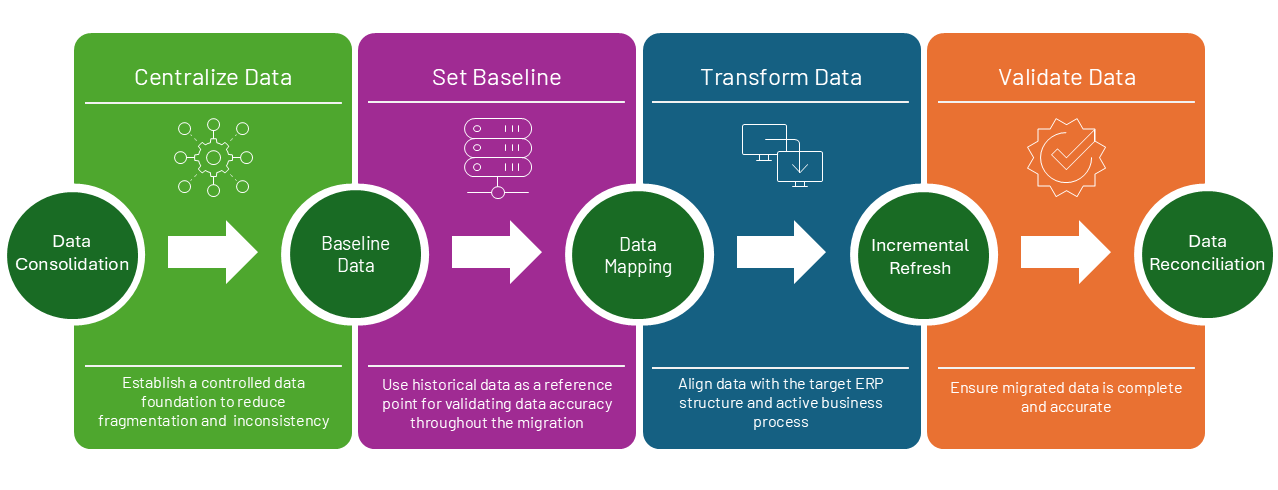
Exhibit 1: A Structured Approach to Data Migration
After the data is centralized, the next step involves extracting historical data. First, import the previous records to establish a stable test benchmark. These static records will serve as reference points for verifying conversion rules, reconciliation rules, and financial structure. Following the historical data load, the migration framework will also arrange a refresh cycle for the recent data to ensure that the migration process during the whole project can reflect the business operation status in real time.
When the data set is ready, the next step is to align the data with the structure of the new ERP. The coordination of master data and verification rules is the core component, because there are often differences in customer levels, product structure, financial dimensions and measurement units between different platforms. Through a detailed mapping framework, we standardize and reorganize the data to match the new system architecture. In the process, the data pipeline will also update the lookup table, rebuild the master data association, and apply predefined business rules to ensure consistency.
The final step is reconciliation. The system will compare the number of records, the total of financial value, and the table relationship with the source data. A structured log mechanism will mark all mismatches for review. This reconciliation ensures consistency, traceability and reliability of each data loading.
Conclusion
A well-designed data strategy is important for minimizing the risk of ERP migration. Through centralized data management, structured data pipelines, and integrated reconciliation, companies can achieve:
- Minimize errors and manual operation
- Boost data quality and audit tracking capabilities
- Ensure the new ERP becomes a solid foundation for sustained expansion
With a strong data foundation, ERP migration can not only achieve a software upgrade but also serve as a strategic enabler to enhance report quality, maximize operational efficiency, and support digital transformation.